GigaTown North

A northern community with work, food and public life all year.

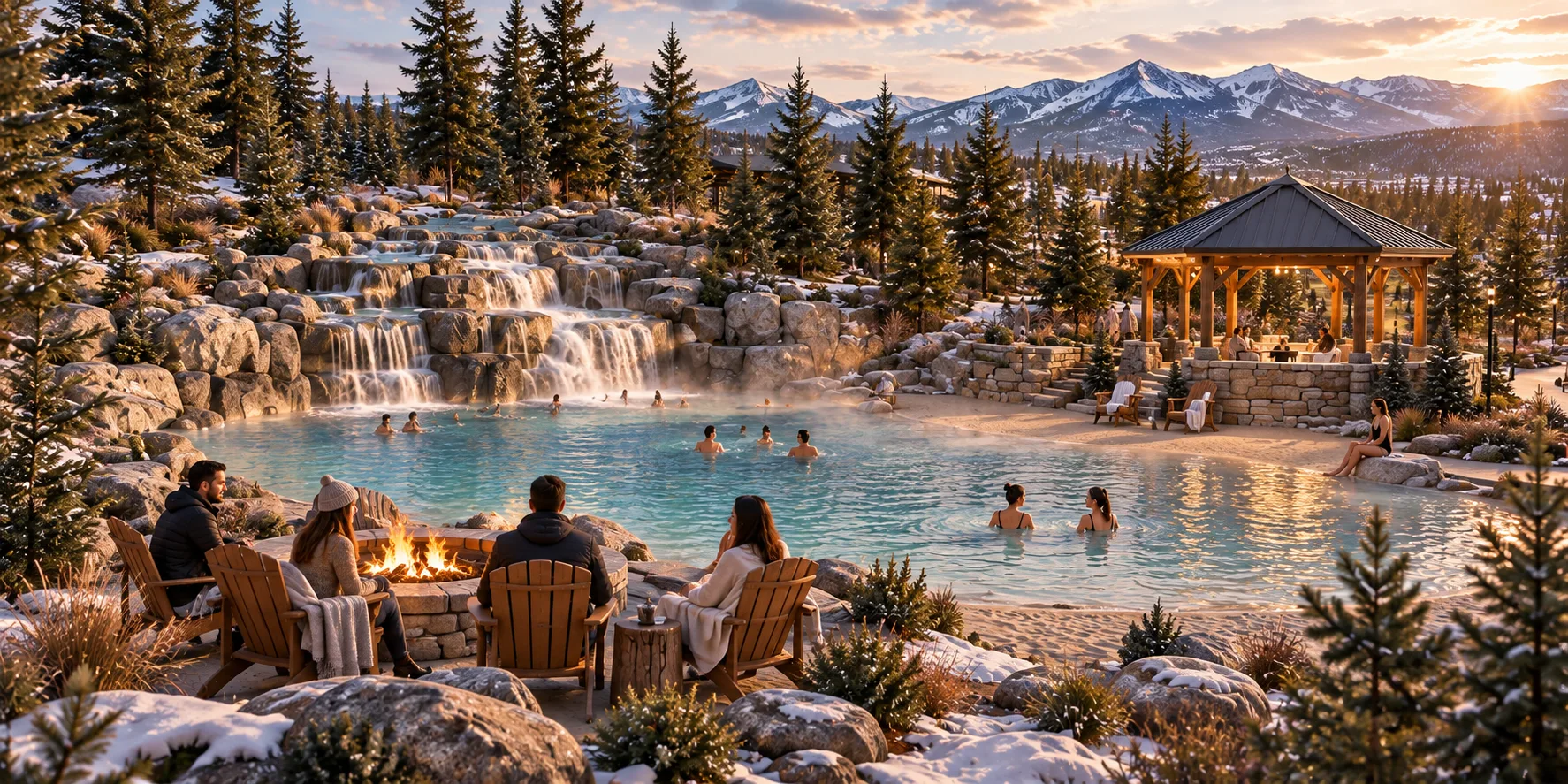
Civic hot springs on a snowy evening, with a warm pond, stepped falls and a timber gathering pavilion.
Civic hot springs · Winter Commons

Long winters. Seasonal work. Food shipped from far away.

Winter ends field work long before the need for a paycheck. Fresh produce travels farther, heating bills rise, and public life moves indoors. Meanwhile, data centers pay to get rid of heat. North connects those needs: recovered heat supports winter greenhouses, agricultural staff gain off-season work, and families get fresh food grown nearby. Suitable hotter sources serve homes and local industry.

In summer, irrigation water cools the infrastructure on its way to the crops. Farmers get paid, and water systems gain investment. Winter Commons turns useful heat into public gardens, hot springs and recreation. Plan homes and power alongside the jobs, help local businesses process more of the harvest, and give residents and producers an ownership stake. Build a new community people choose to join, with benefits that reach the towns around it.

Explore how it works

What does this mean for you?

Choose a company to see what it does and what it means for you.

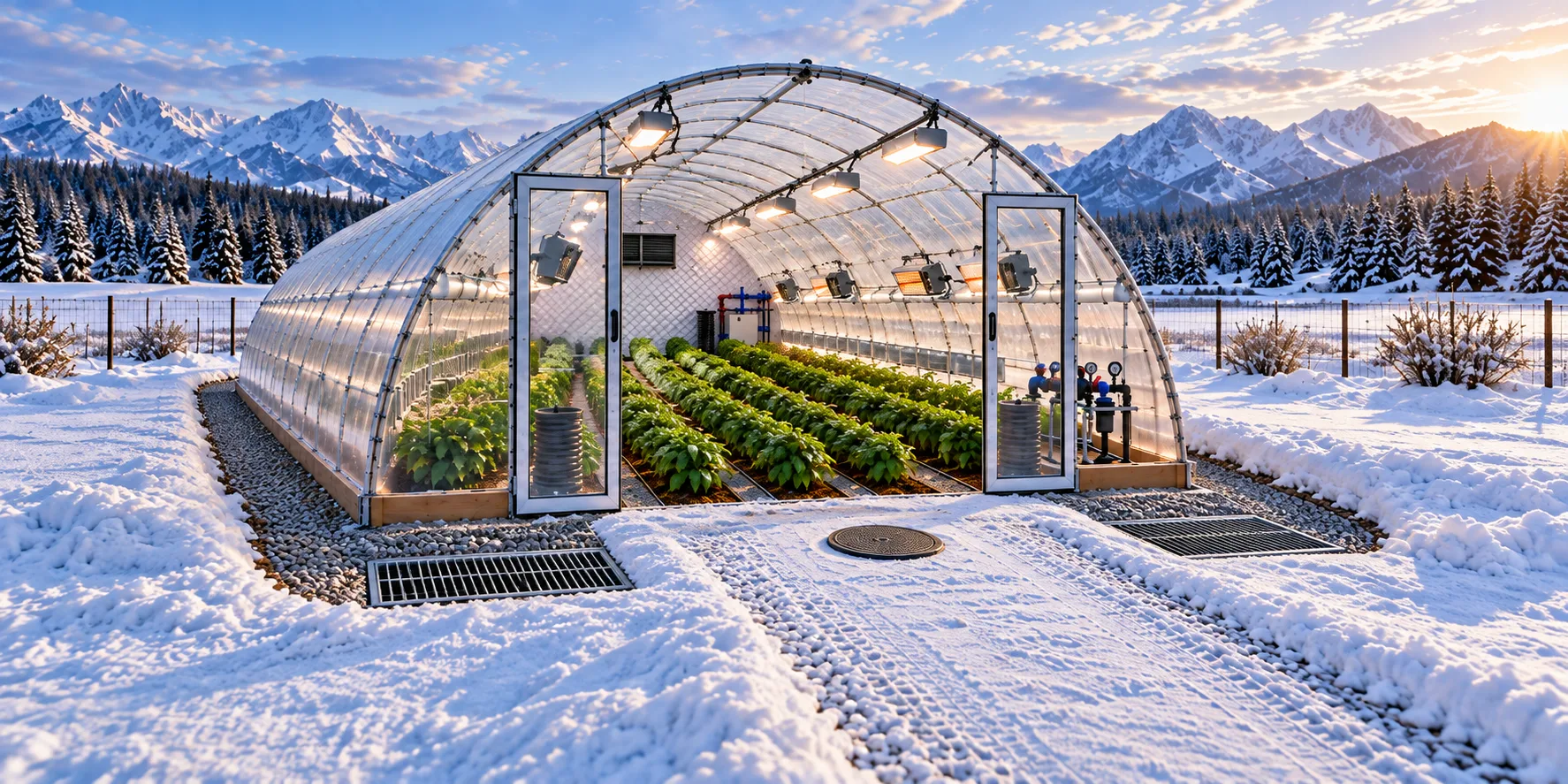
Crops growing inside a lit FarmCo greenhouse while snow covers the surrounding northern landscape.
Winter growing, supported by recovered heat.
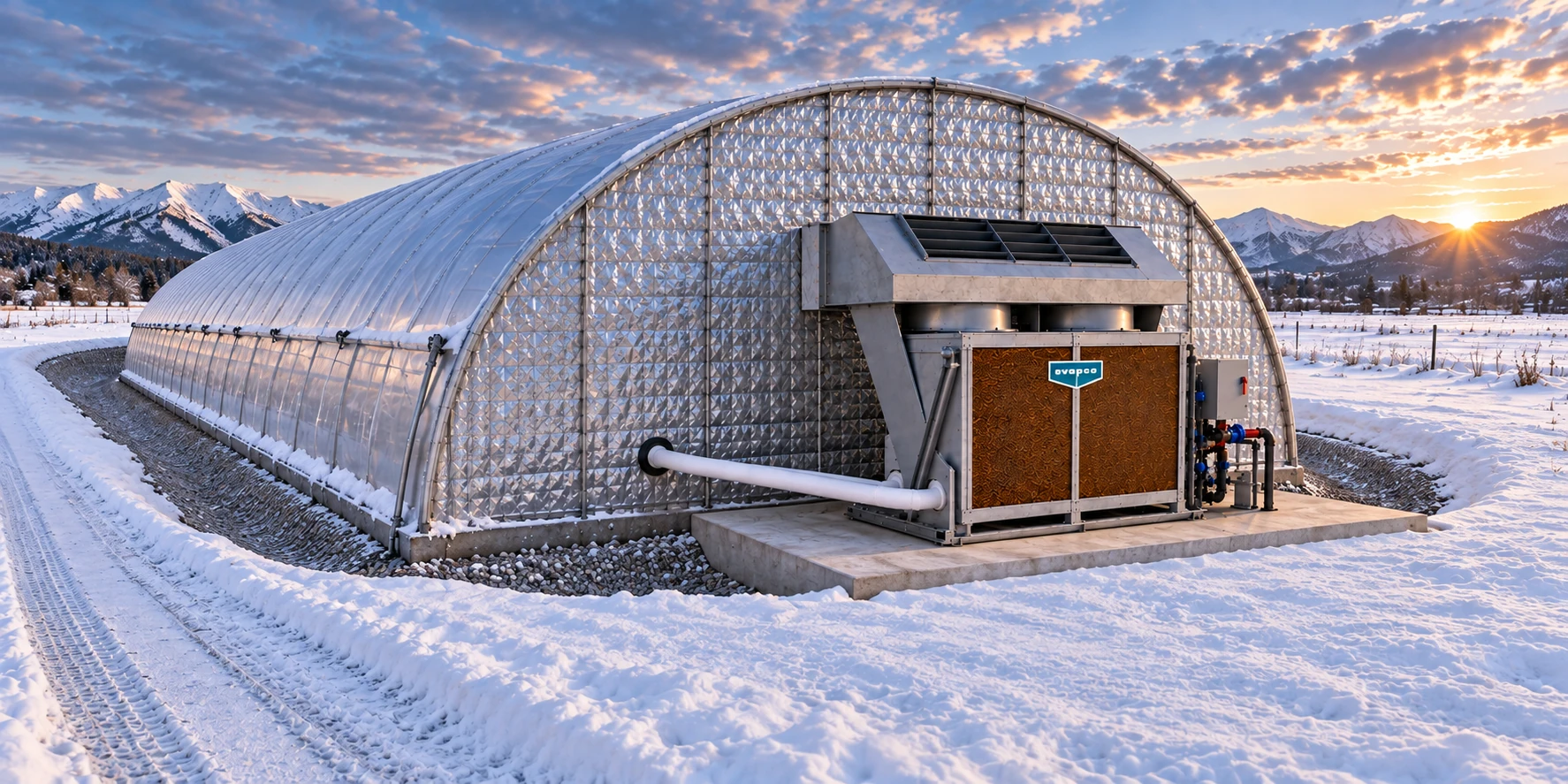
An external air cooler connected to the back of a greenhouse in a snowy northern landscape.
HeatCo earns cooling revenue. The greenhouse uses that heat without a thermal charge.

FarmCo · Greenhouse infrastructure and agricultural co-op

What’s it like to farm here?

You lease a greenhouse with the shared infrastructure in place, choose your crops and run your own growing business. FarmCo manages the farm facilities. HeatCo operates the thermal station. You can grow without buying an ownership stake—and choose to become an owner later.

A second growing season. More months of work.

Winter greenhouse production gives agricultural staff another place to use their skills when outdoor work slows. Growing, harvesting and packing can support work beyond the field season, while nearby shops, restaurants and families gain a fresh local supply.

Growers stay growers.

You control crop choices, production and sales. You cover labor, seeds, nutrients, crop-specific equipment and routes to market. Shared infrastructure lowers the barrier to starting; a viable crop plan still matters.

$900/month
Facility lease for a 30 × 96 ft greenhouse.
$0
Useful HeatCo heat charge to the grower.
8¢/kWh
Metered tenant power, with no FarmCo markup.

Proposed planning terms, subject to final contracts. The standard facility plus modeled ordinary lighting and ventilation power totals about $4.99/ft² a year, before labor and crop-specific production, packing and distribution costs.

Why this differs from a stand-alone northern greenhouse
The questionA stand-alone operationThe FarmCo proposal
Who pays for heat?The grower budgets for a dedicated heating supply.HeatCo earns cooling-service revenue; useful heat has no thermal charge to the grower.
What must I build?Arrange the shell, services and climate systems for the site.Lease a standard house with shared farm infrastructure and a separately operated thermal station.
Why the simple film?Insulation helps contain a purchased-heating bill.Single-layer film preserves scarce winter light. Available heat offsets the higher heat loss and can clear roof snow.
What happens in winter?The crop plan must carry winter heating and lighting costs.Recovered heat supports another production season and a path to off-season agricultural jobs; lighting remains a real cost.
Can I share in the business?Ownership depends on the individual business structure.Lease as a grower, receive eligible co-op patronage and buy from a protected farmer ownership reserve.

The design choices have a reason.

A reflective north wall sends more light back toward the crops. Roof snowmelt and rainfall are collected for recovery. Buried air passages help manage humidity, root-zone conditions and summer cooling. Crop-survival heat and electrical resilience are included in the planning design.

Farmers get first access to ownership.

The proposal protects a farmer reserve instead of releasing unsold farmer units automatically to outside investors. Qualifying farmers buy at half the local reference price; external investors pay a premium for the same ordinary units. Grower patronage is separate from ownership distributions.

Why the partnership works: the compute anchor needs cooling; HeatCo needs dependable places to remove heat; growers need affordable production space. FarmCo turns part of that cooling investment into productive agricultural infrastructure. The current planning basis is 300 houses across ten farms.

Planning basis and company responsibilities

FarmCo owns the greenhouse and farm-side infrastructure; HeatCo owns its thermal stations and funds the assigned reliability support. HeatCo’s proposed 20% ordinary stake aligns the businesses without giving it control over growers’ crop decisions. Eligibility, reserves, leases and final cooperative documents remain to be completed.
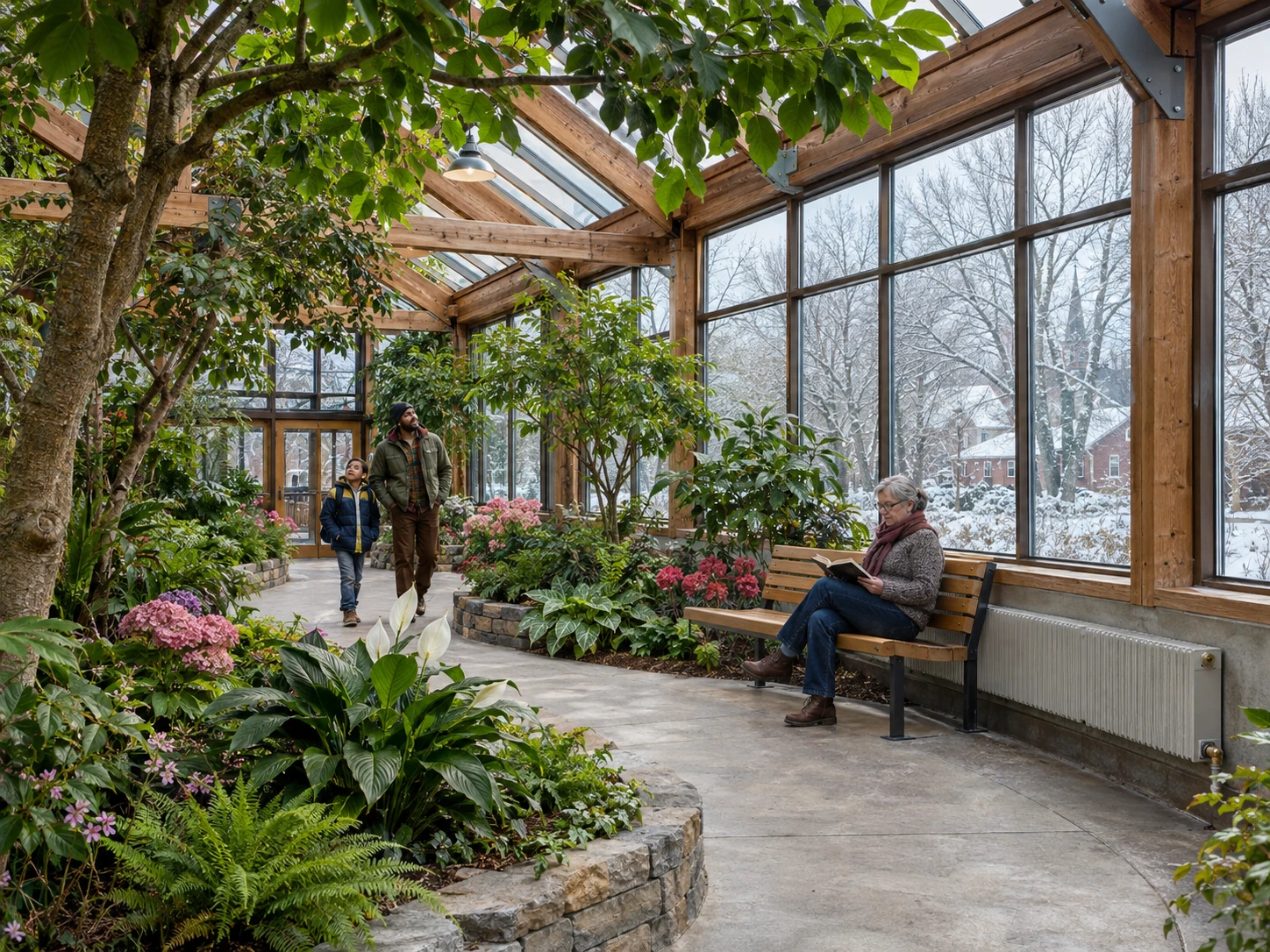
Visitors walking through a warm public botanical garden with snow outside the glass walls.
A green place to spend a winter afternoon.

HeatCo · Cooling and useful heat

Turn data-center waste heat into productive use.

The data center needs cooling. Greenhouses and civic spaces need warmth. HeatCo connects them, turning a cooling cost into a useful local resource.

Heat for everyday life.

District heat can serve core apartments, shops and civic buildings. The Winter Commons adds botanical gardens, hot springs, warm paths and recreation that people can enjoy through winter.

The thermal cascade: match the heat to the job.

Recovered data-center heat

Greenhouses and civic spaces

Lower-temperature heat serves compatible growing and civic uses. Summer irrigation carries heat away through WaterCo.

A separate, hotter source

Homes, shops and local industry

Higher-temperature heat supports district heating, hot water, malting, brewing and drying. Each use gets the temperature it needs.

The anchor buys cooling. The community puts the heat to work. Cooling-service revenue funds the thermal equipment, with no useful-heat charge to greenhouse growers. Productive uses reduce the cooling left for conventional equipment—and its noise.

How the service works

HeatCo retains bypass and independent final rejection when farms, irrigation or civic users cannot accept heat. Industrial coolant stays isolated from agricultural, drinking and public-contact water. Remaining cooling equipment is sited and engineered away from homes.

The hotter branch depends on a suitable generation-side source or justified uplift; low-grade recovered heat cannot directly supply every district or industrial duty. District heat, hot water and industrial service remain proposed and need detailed engineering and commercial agreements. The civic-core scope includes shared heating and cooling for participating buildings.

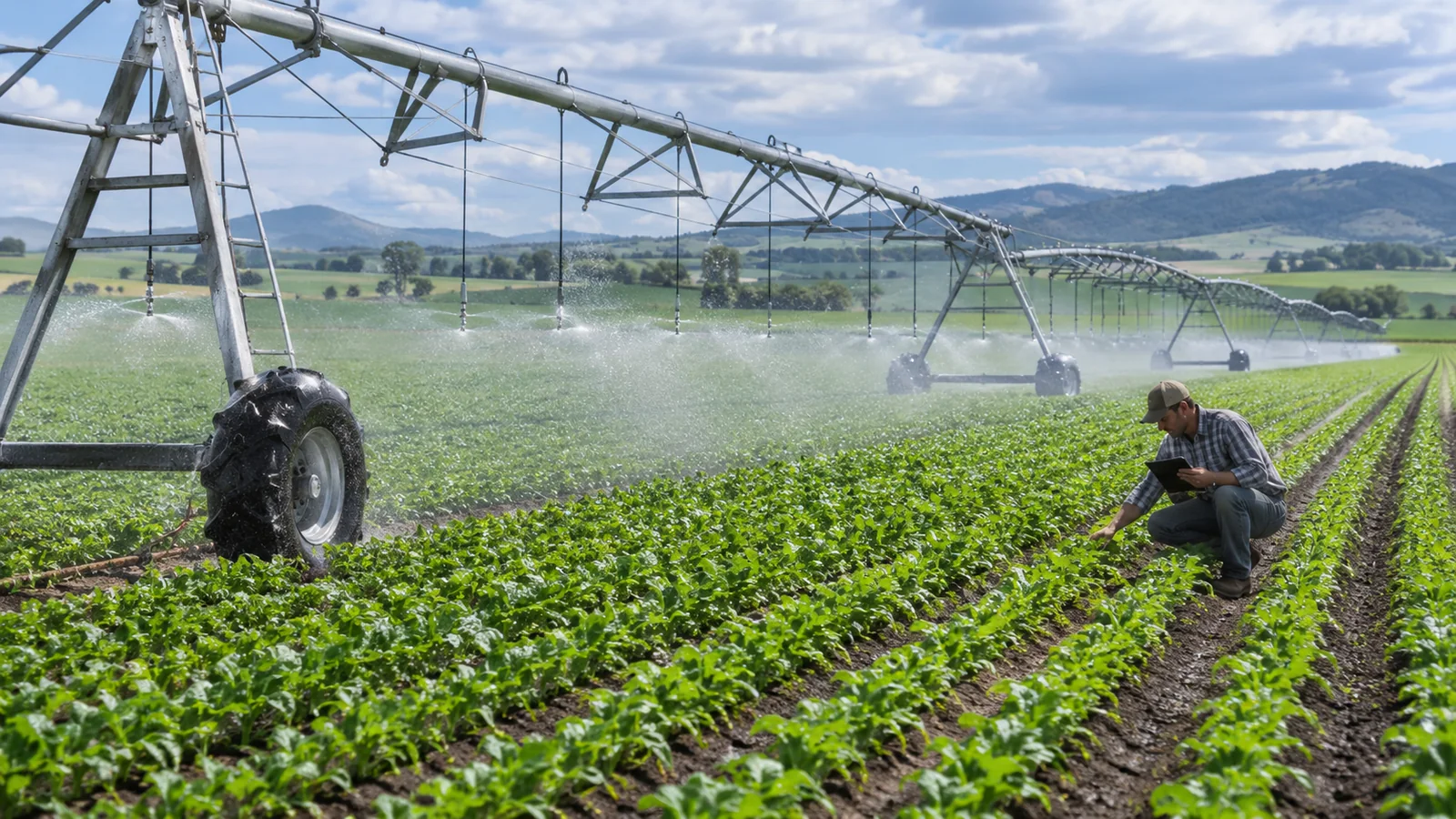
A farmer beside a center-pivot irrigation system watering a green field.
One flow. Two jobs: cool infrastructure, then water crops.

WaterCo · Irrigation cooling and water services

Cool the data center on the way to the crops.

In summer, irrigation water absorbs heat through an isolated exchanger, then continues to the fields. The same water does two jobs, reducing the cooling equipment and separate evaporative water supply needed for that share of the cooling.

Farmers get paid. Irrigation gets better.

Farmers earn for the heat their water accepts. Agreements fund irrigation repairs and upgrades while protecting crop-safe temperatures, watering schedules and water rights.

Follow the farm’s seasons.

Irrigation is a major seasonal cooling outlet. Actual crop demand sets the schedule; HeatCo handles cooling when the farms cannot accept heat.

Invest in community water systems.

Drinking-water, wastewater and reclaimed-water services are also proposed WaterCo responsibilities, under agreements with the public authorities.

Farmer agreements and operating limits

Participation is voluntary. WaterCo measures accepted warming, administers farmer payments and manages assigned water-side equipment. HeatCo retains the technical loop, HeatCo-side controls, bypass and independent final rejection. Industrial coolant stays separate from irrigation water.

Receiving flow, temperature headroom, crop requirements, drought priorities and lawful rights determine useful capacity. Savings and crop response need site-specific validation. Water-system investment does not itself buy water rights; prices and final service terms remain to be agreed.

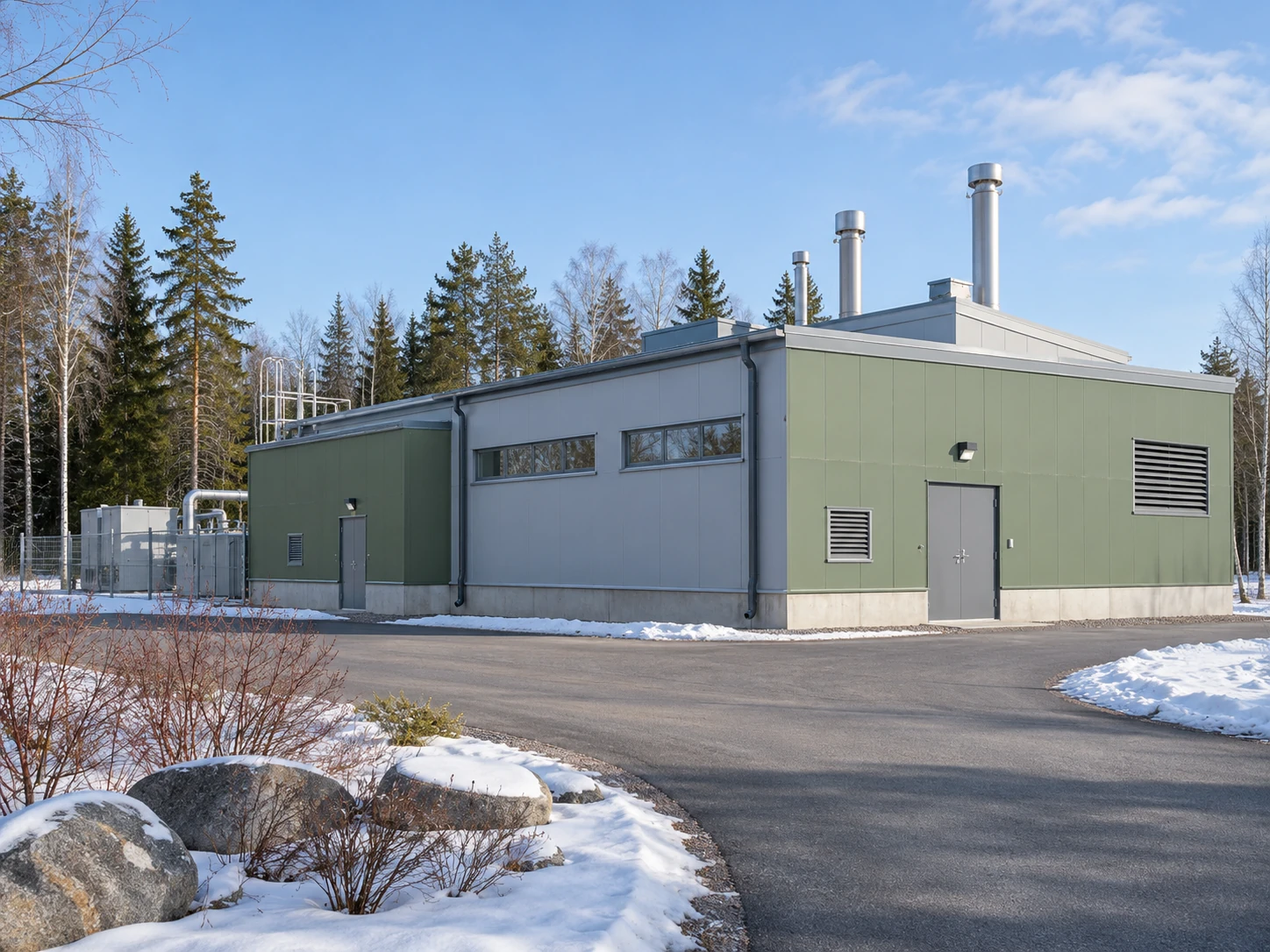
A low-rise natural-gas power plant with enclosed machinery, modest exhaust stacks and snowy northern landscaping.
Natural-gas generation can supply power and useful heat.

PowerCo · Reliable electricity and useful heat

Power the community. Supply its hot-water district.

Nuclear, natural gas and geothermal are strong options for North: dependable electricity and useful heat for the hot-water district. Choose the source to fit the region, then connect suitable heat through HeatCo to homes, shops and local industry.

A large compute customer can help support the new generation and infrastructure. Plan that supply for the anchor and the community together, with clear responsibility for the capacity and upgrades the customer requires.

For households, farms and businesses

Plan reliable power through northern winters and negotiate participant service alongside the anchor contract. The intended agreements keep compute expansion costs from being shifted onto household bills. Preferential participant power is a planning direction; final tariffs and protections must be established in contracts.

For power developers and operators

A major customer brings a potential long-term revenue base. Nearby farms, utilities and industry add productive demand. Plan electricity and useful heat together so HeatCo can serve the hot-water district and local processing.

Firm supply through northern winters. Design generation, storage and grid connections around actual demand. Match the hot-water district to the source’s usable heat, with service continuity planned for maintenance and outages.

Planning basis and generation options

Nuclear, natural gas and geothermal remain options to evaluate for the specific site. Geothermal electricity needs a suitable high-temperature resource; district-heat temperatures, heat delivery, fuel supply where applicable, permits and economics must also fit. The existing nuclear study remains a reference case. No plant, supplier, capacity or tariff is selected. Heat reaches public and building-water systems through appropriately isolated circuits. Generation and compute cooling remain reliable without optional downstream heat customers.

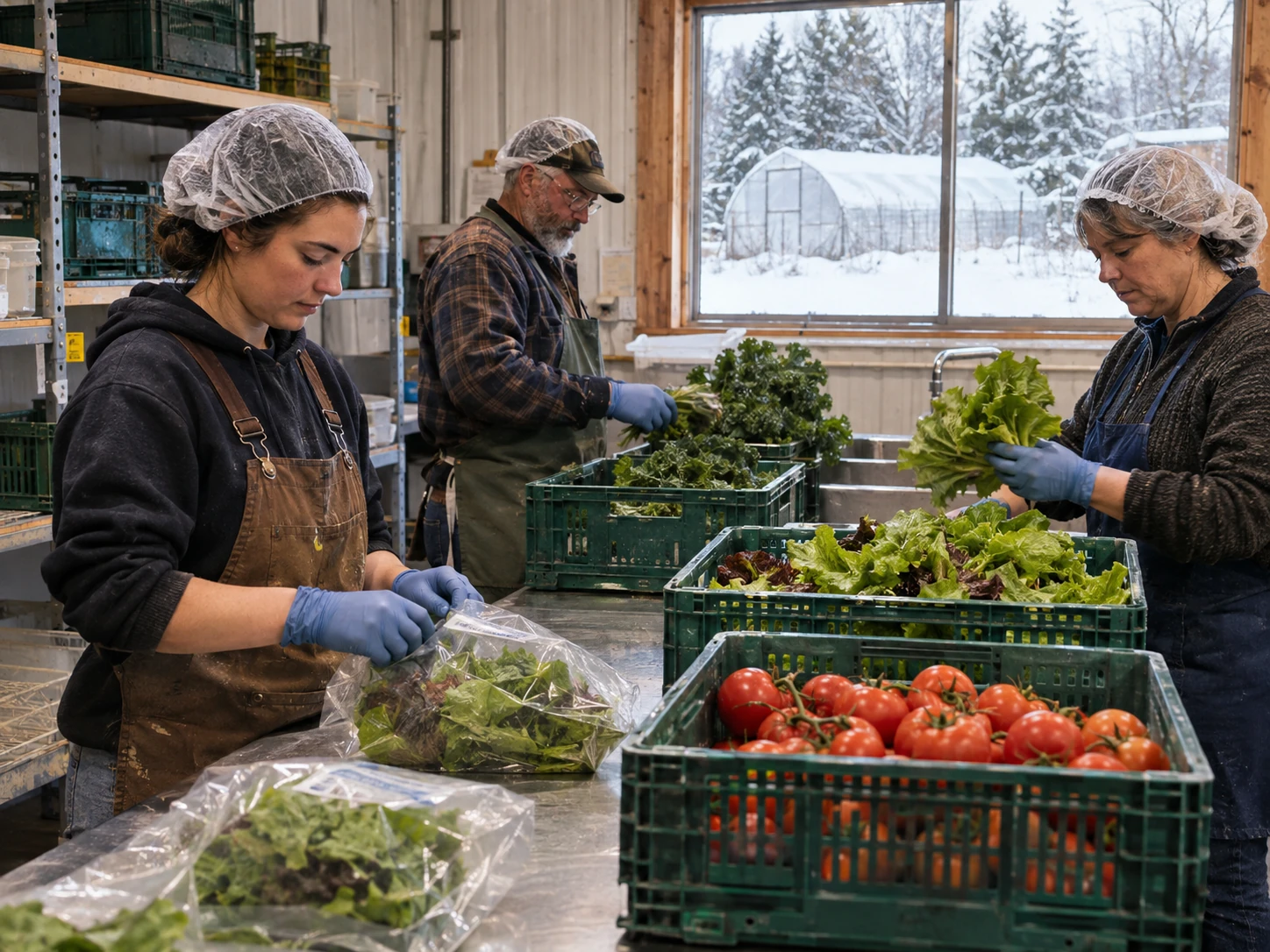
Agricultural workers packing fresh produce in a local workshop, with a snowy greenhouse outside the window.

Keep the jobs here

Keep the next stage of the harvest here.

Grow the barley. Malt it. Brew with it. Keep more of the finished product’s value in the region. The same opportunity runs through packing produce, drying crops and processing food.

Nearby heat, power, water and serviced space help existing farmers and businesses take that next step. Winter growing and food production extend agricultural work; maintenance, utility operations and local services add lasting jobs beyond construction.

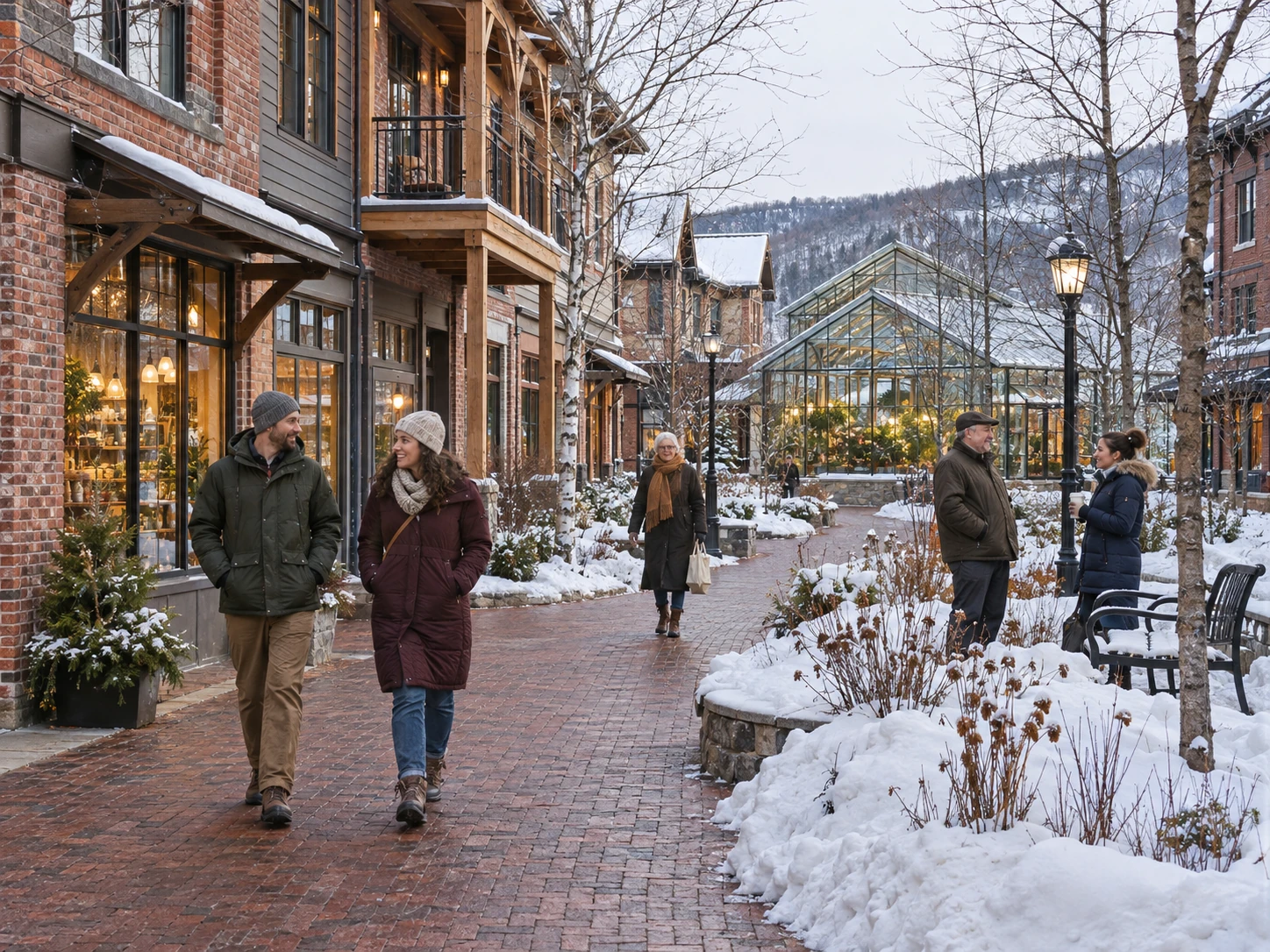
A northern town square with apartments above shops, winter pedestrians and a public winter garden.

A place people choose

Build a town people choose to call home.

Add homes, shops and services alongside the work. A new community gives people somewhere to move by choice, with housing planned to keep growth from piling pressure onto neighboring towns.

District heat for the civic core. Winter Commons, hot springs and green spaces for everyone to enjoy. Fresh local food and more opportunity for the towns around it.

Explore HeatCo’s district heat and civic spaces ↗

Ownership and accountability

Local people should own part of what they help build.

The intended model gives residents, producers and local businesses first access to eligible ownership opportunities. FarmCo makes that concrete with its protected farmer reserve and discounted farmer pricing. Other company offerings need published eligibility, pricing and governance terms.

Cooperative participation can keep business value local. Public budgets, service agreements and oversight must make civic benefits accountable, with government separate from the private companies it works with.

Start with a pilot, work with local people, and prove the operating and community bargain before expanding. GigaTown North is a proposed model; ownership offerings, service contracts, public funding and site-specific approvals remain to be established.

Build a stronger northern economy

Bring the farmers, workers and community into the design.

Connect with us